
Cerium Oxide, CeO2, Cerium(IV)Oxide, Ceria, CAS 1306-38-3, EINECS 215-150-4
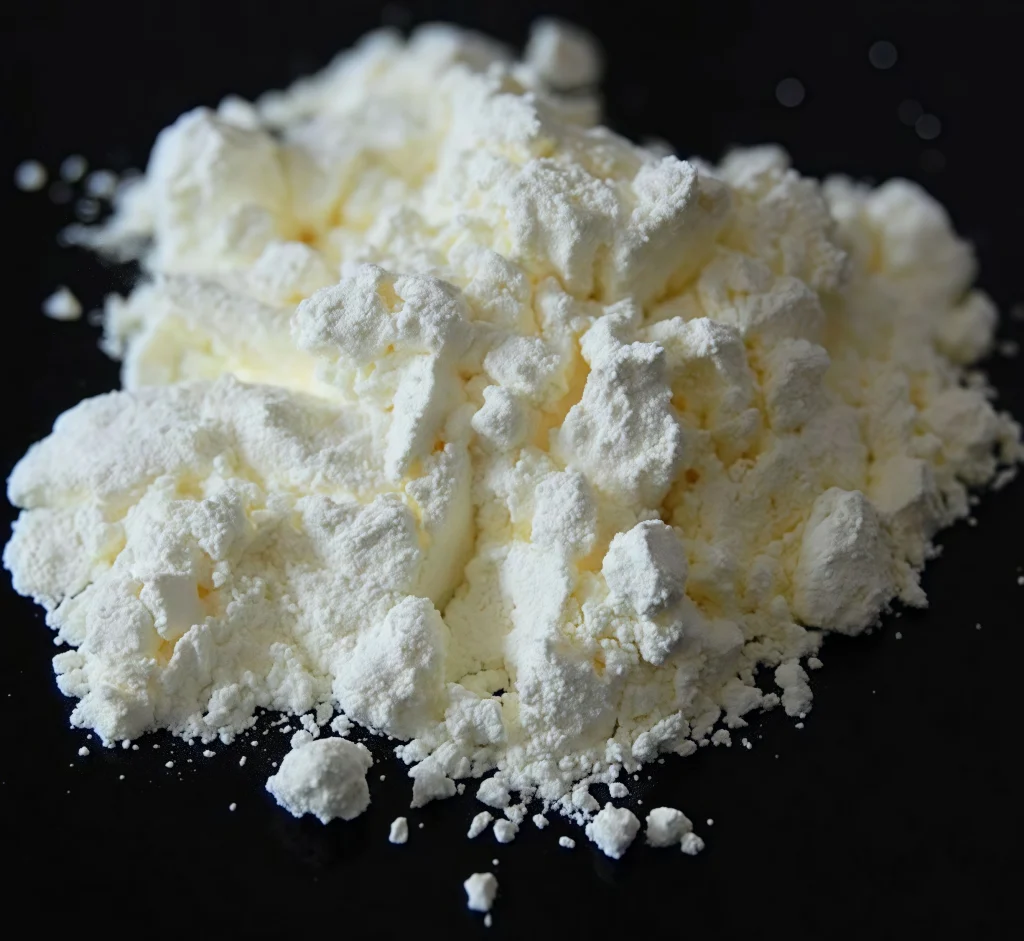
Product name: Cerium oxide, Cerium dioxide.
Chemical formula: CeO2.
Molecular weight: 172.115.
CAS number: 1306-38-3.
EINECS number: 215-150-4.
Purity: 99.99%.
Particle size: 1um, 100nm, 50nm, 20nm (can be customized produced according to customer requirements).
Appearance: Light yellow powder.
Product Features
1.The crystal structure is intact, with a high specific gravity, and it is not easy to form pores in ceramics.
2.Has good dispersibility and transparency, easy to add to polymers such as plastics and silicone rubber.
3.Cerium oxide has the characteristic of a large specific surface area and is suitable for use in coating materials or catalysts.
4.It has the characteristics of small crystal size, and is suitable for use as ultraviolet isolating agent in sunscreen cosmetics, anti-aging agent in plastics and coatings.
Application:
1.Efficient catalysts, precision polishing, chemical additives, electronic ceramics, structural ceramics, UV absorbers, battery materials.
2.Fine functional ceramics. Adding it to ceramics can lower the sintering temperature, suppress lattice growth, and improve the density of ceramics.
3.Alloy coating: added to zinc nickel, zinc diamond, and zinc iron alloys to change the zinc electro crystallization process, promote preferred orientation of crystal planes, and make the coating structure uniform and denser, thereby improving the corrosion resistance of the coating.
4.Polymer: it can increase the thermal stability and aging resistance of polymer.
5.Used as heat stabilizer and anti-aging agent for plastics and rubber.
6.As a plastic lubricant, improve the lubrication coefficient of plastic.
7.Used for glass additives, automotive exhaust purification catalysts, polishing materials, hydrogen storage materials, thermoelectric materials, cerium tungsten electrodes, ceramic capacitors, piezoelectric ceramics, cerium silicon carbide abrasives, fuel cell raw materials, gasoline catalysts, certain permanent magnet materials, luminescent materials, various alloys and non-ferrous metals, pigments, coatings, hydrogen storage materials, thermoelectric materials, fuel cell raw materials.
8.Oxidants, catalysts for organic reactions, rare earth metal standards for steel analysis, oxidation-reduction titration analysis, decolorizing glass, glass enamel blackout agents, heat-resistant alloys, glass industry additives, glass grinding materials, eyeglass glass, optical lenses, grinding of cathode ray tubes, absorption of ultraviolet and electron rays in glass, etc.