
Titanium Oxide, TiO2, Titanium(IV)Oxide, Titan Dioxide, Titania, CAS 13463-67-7, EINECS 236-675-5
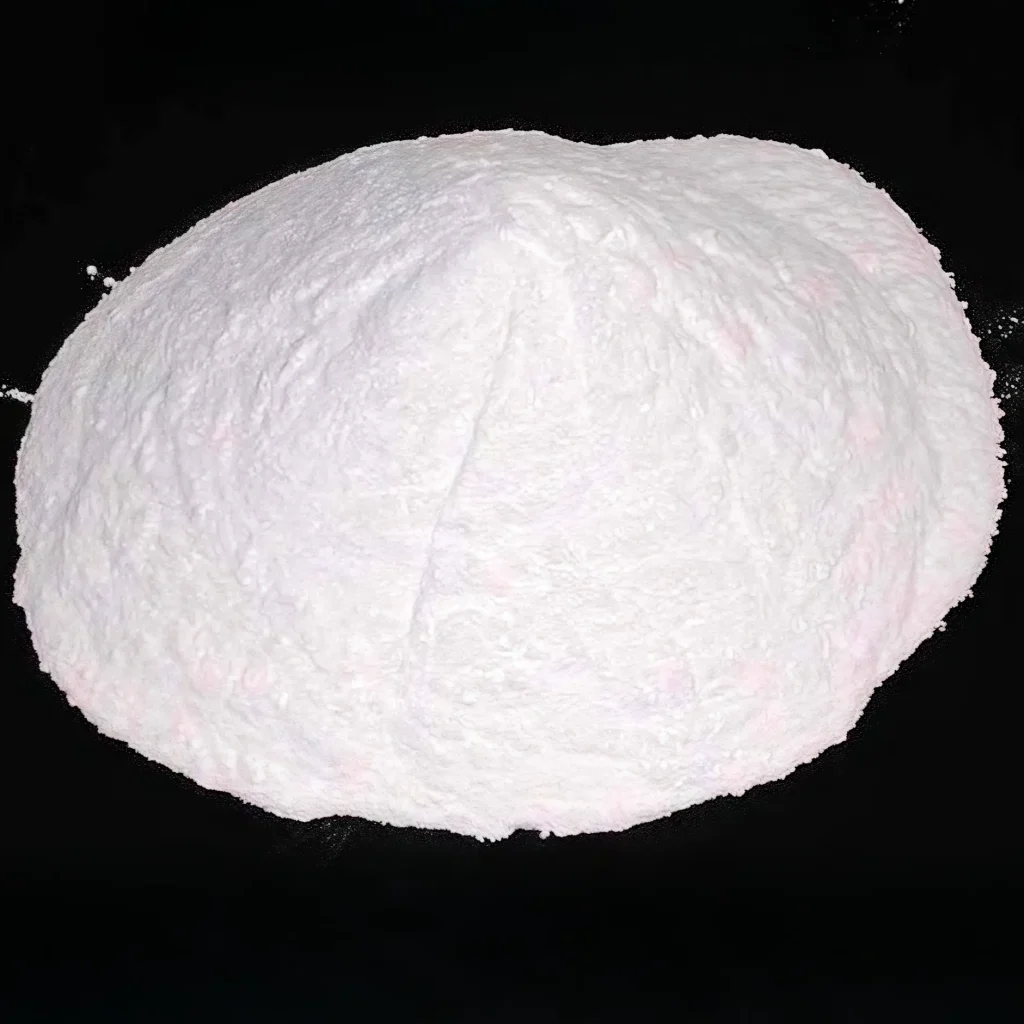
Product Name: Titanium Dioxide, Titanium Oxide.
Chemical formula: TiO2.
Molecular weight: 79.866.
CAS number: 13463-67-7.
EINECS number: 236-675-5.
Appearance: White powder.
Purity: 99.9%.
Particle size: 5nm, 30nm, 100nm, 300nm, 500nm, 1um (can be customized produced according to customer requirements).
Main crystal forms: rutile type, anatase type, etc.
Features: Good covering power, uniform particle size distribution, high glossiness, excellent weather resistance, low oil absorption, good leveling, good whiteness, high brightness, good luster, good covering power, strong color fading power, easy dispersion, good anti powdering ability, good covering power, good coloring power, etc. High purity titanium dioxide (electronic grade) exhibits semiconductor properties, with its conductivity rapidly increasing with temperature and being highly sensitive to oxygen deficiency. The dielectric constant and semiconductor properties of rutile titanium dioxide are very important for the electronics industry. It has excellent photocatalytic effect, can decompose harmful gases and some inorganic compounds in the air, and inhibit bacterial growth and virus activity, achieving air purification, sterilization, deodorization, and mold prevention. It has self-cleaning and purifying effects, which can greatly improve the adhesion of the product. It is non-toxic and harmless, and has excellent compatibility with other raw materials.
Application:
1.Used for indoor and outdoor coatings, latex paints for interior and exterior walls, industrial coatings, powder coatings, road marking paints, anti-corrosion paints, anti fouling paints, ship specific paints, plastics, color masterbatch, rubber, ink, leather, papermaking, decorative paper, laminated paper, etc.
2.High purity titanium dioxide (electronic grade) can be used to produce electronic components such as ceramic capacitors.
3.Used for current limiting protection, demagnetization, starting, heating elements (PTC), multi-layer monolithic capacitor elements (MLCC), microwave elements, piezoelectric elements, luminescent materials, etc.
4.Used for color matching in plastic pipes, profiles, color masterbatches, engineering plastics industry, sheet materials, buckle plates, decorative lines, sealing lines, wires and cables, coatings, paints, inks, rubber, rubber shoes, daily chemical products, catalyst carriers, lithium batteries, gas sensors, etc.
5.Functional ceramics: sensors, capacitive ceramics, thermistors, varistor ceramics, etc.
6.Photocatalyst: Under the action of ultraviolet light, electron hole pairs are formed, which react with adsorbed O2 and H2O on its surface to generate hydroxyl radicals, causing organic matter to be oxidized and decomposed into water and carbon dioxide. The initial sulfur, phosphorus, and nitrogen atoms in the organic matter are converted into inorganic salts such as SO42-, PO43-, and NO3-, thereby reducing or even completely eliminating the original harm.
7.Plastics, coatings, and synthetic fibers: They use light scattering to block UV radiation and can protect against UVA or UVB radiation. They are transparent, non-toxic, and efficient, and can be used for sun protection cosmetics, anti UV fibers, exterior wall coatings, plastic films, and other products. The paint industry uses white pigments and porcelain glazes. Used as a coating and filler in the paper industry to improve the printability and opacity of paper.
8.Used in the smelting industry to produce sponge titanium, titanium iron alloy, hard alloy, etc. Used for making insulators, welding electrodes, enamel, etc.
9.Used for synthetic rubber, printing, dyeing, cosmetics industry, pharmaceutical fillers, etc.
10.Coatings industry: Used as coatings and fillers in the paper industry to improve the printability and opacity of paper.