
Tin Oxide, SnO2, Tin(IV)Oxide, Stannic Dioxide, Stannic Oxide, CAS 18282-10-5, EINECS 242-159-0
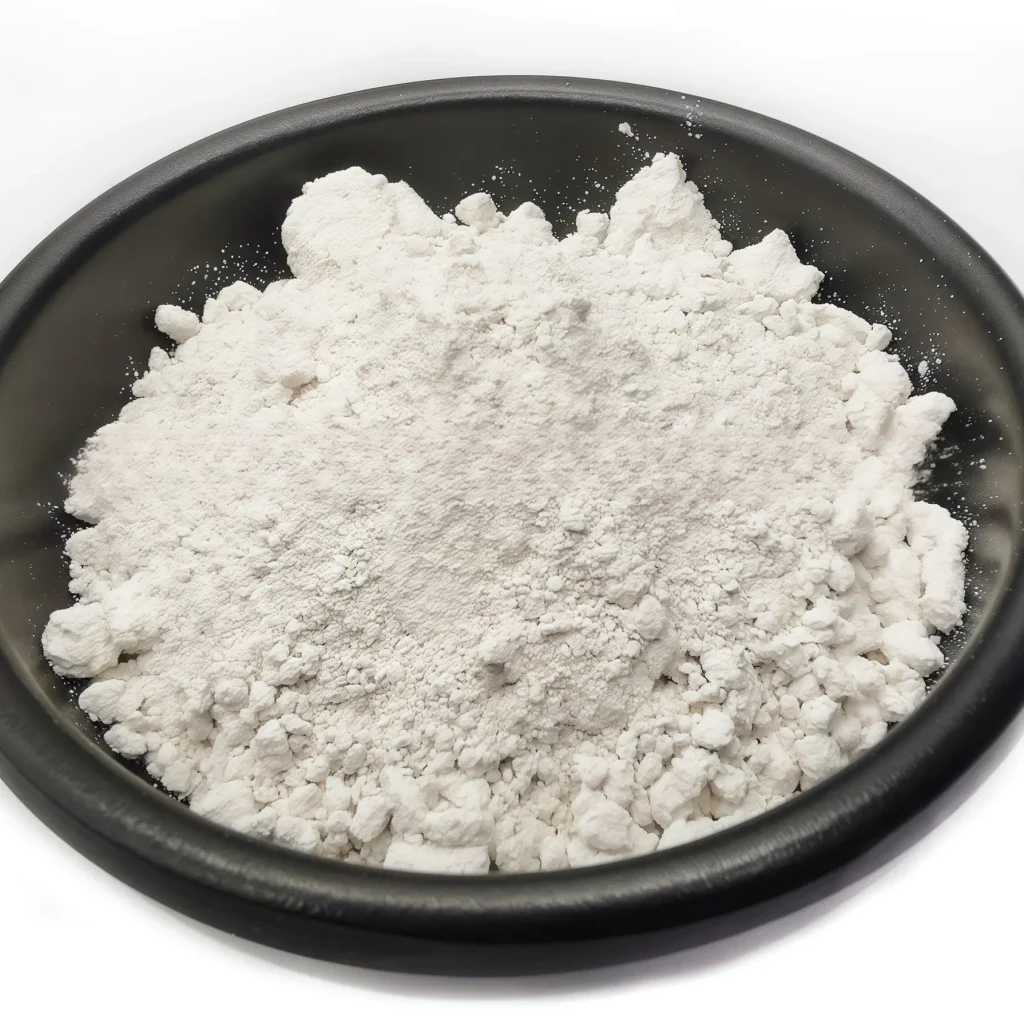
Product name: Tin oxide, Tin dioxide.
Chemical formula: SnO2.
Molecular weight: 150.71.
CAS number: 18282-10-5.
EINECS number: 242-159-0.
Purity: 99.9%.
Particle size: 400 mesh, 600 mesh, 800 mesh, 1000 mesh, 1200 mesh, 1500 mesh, 2000 mesh, 5000 mesh, 10000 mesh (can be customized produced according to customer requirements).
Appearance: White, light yellow or light gray powder.
Features: Good dispersibility, small particle size, uniform distribution, large specific surface area, high surface activity, low loose density, high purity, low oxygen content, broadband semiconductor material, excellent transparent conductive material, acid and alkali resistance, high temperature resistance, mechanical impact resistance, etc.
Application:
1.Tin oxide is an important semiconductor sensor material, and gas sensors prepared with it have high sensitivity. It is widely used for the detection and prediction of various combustible gases, environmental pollutants, industrial waste gases, and harmful gases.
2.Moisture sensors prepared using tin oxide as the matrix material have applications in improving indoor environments, instrument and equipment rooms, as well as libraries, art galleries, museums, and other places.
3.Used for varistors, power systems, electronic circuits, household appliances, etc.
4.Used for enamel, electromagnetic materials, milky white glass, tin salts, porcelain coloring agents, fabric mordants, weighting agents, polishing agents for steel and glass, etc.
5.Tin oxide level is applied in the melting of optical glass and the electrolytic aluminum industry. Tin oxide level is particularly suitable for the melting of flint glass, barium flint, barium crown, and heavy crown glass, and does not pollute the glass.
6.Used for tin oxide contacts, pressure-sensitive ceramics, steel tin oxide ceramic targets, gas sensing components, thermal insulation coatings, ceramic pigments, negative electrode materials in the lithium battery industry, etc.
7.Ceramic opalescent agents, ceramic pigments, glass pigments, enamel pigments (chromium tin violet, tin antimony ash, agate red, gold red, tin zinc oxide yellow pigments) used in the ceramic industry.
8.Used in the production of tin salts, catalysts, mordants, formulation of coatings, glass, and enamel industries as polishing agents.
9.Polishing agents, polishing materials, ceramic polishing materials, and gemstone polishing materials for granite, stone, marble, and glass in the polishing industry.
10.Manufacturing opaque glass, antifreeze glass, high-strength glass, etc. Prepare tin dioxide electrodes for melting glass.
11.Raw materials for new environmentally friendly silver tin oxide electrical contact materials.
12.Surface active materials for catalytic activity and gas detection.